LIVING WITH JB BLUNK: MARIAH NIELSON ON CONTINUING A CREATIVE LIFE
Photography by Mara Hoffman
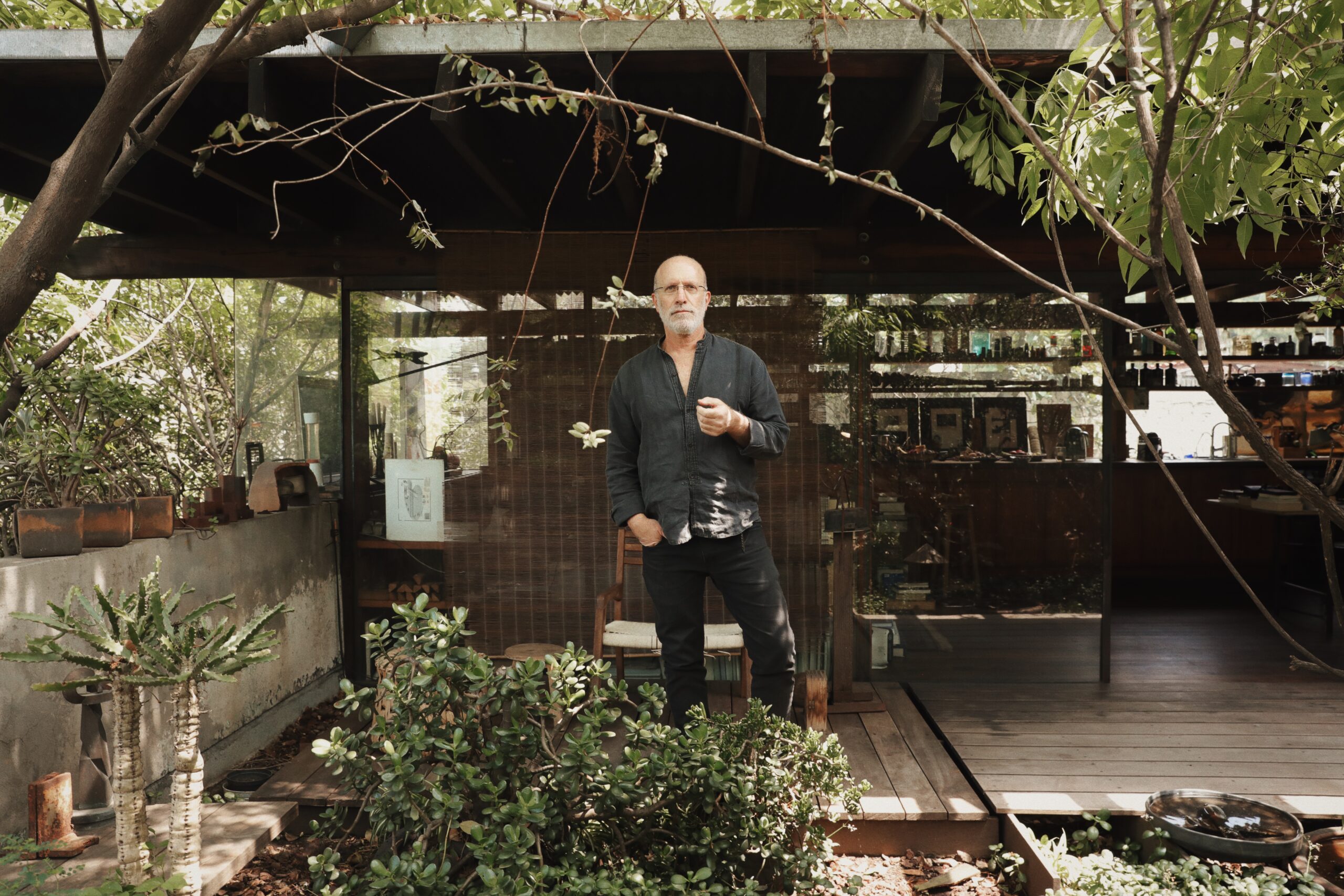
Mariah Nielson inherited more than her father’s house. She inherited a way of living.
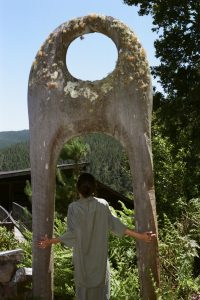
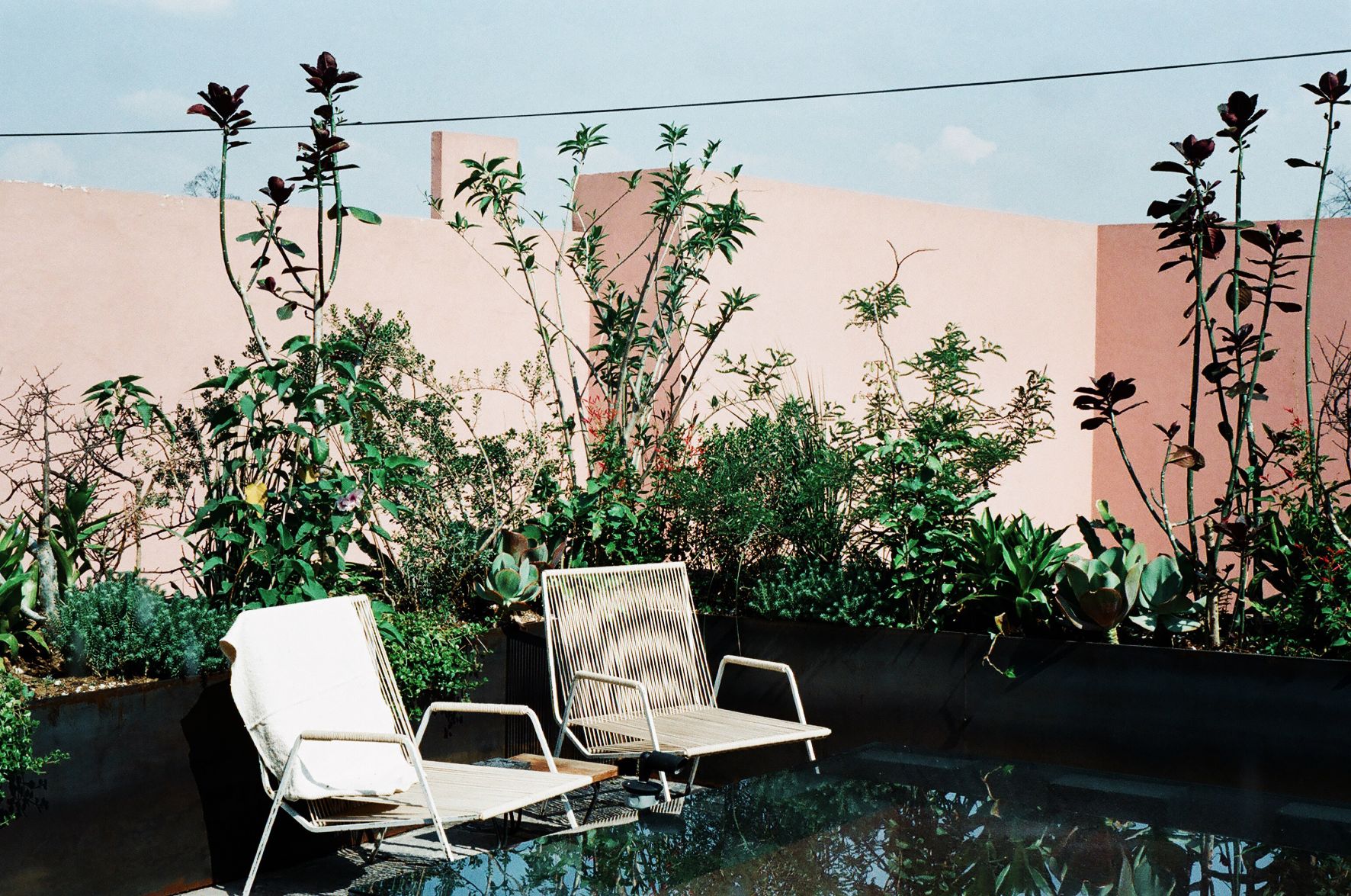
We meet at Blunk Space in Point Reyes Station before following her up a winding dirt road into the hills overlooking Tomales Bay. At the end of the road sits the home artist JB Blunk began building in the early 1960s, where Mariah now lives with her husband and son. More than six decades later, it remains a family home. Artists continue to spend time here, working in the studio before exhibiting at Blunk Space, the gallery Mariah founded nearby.
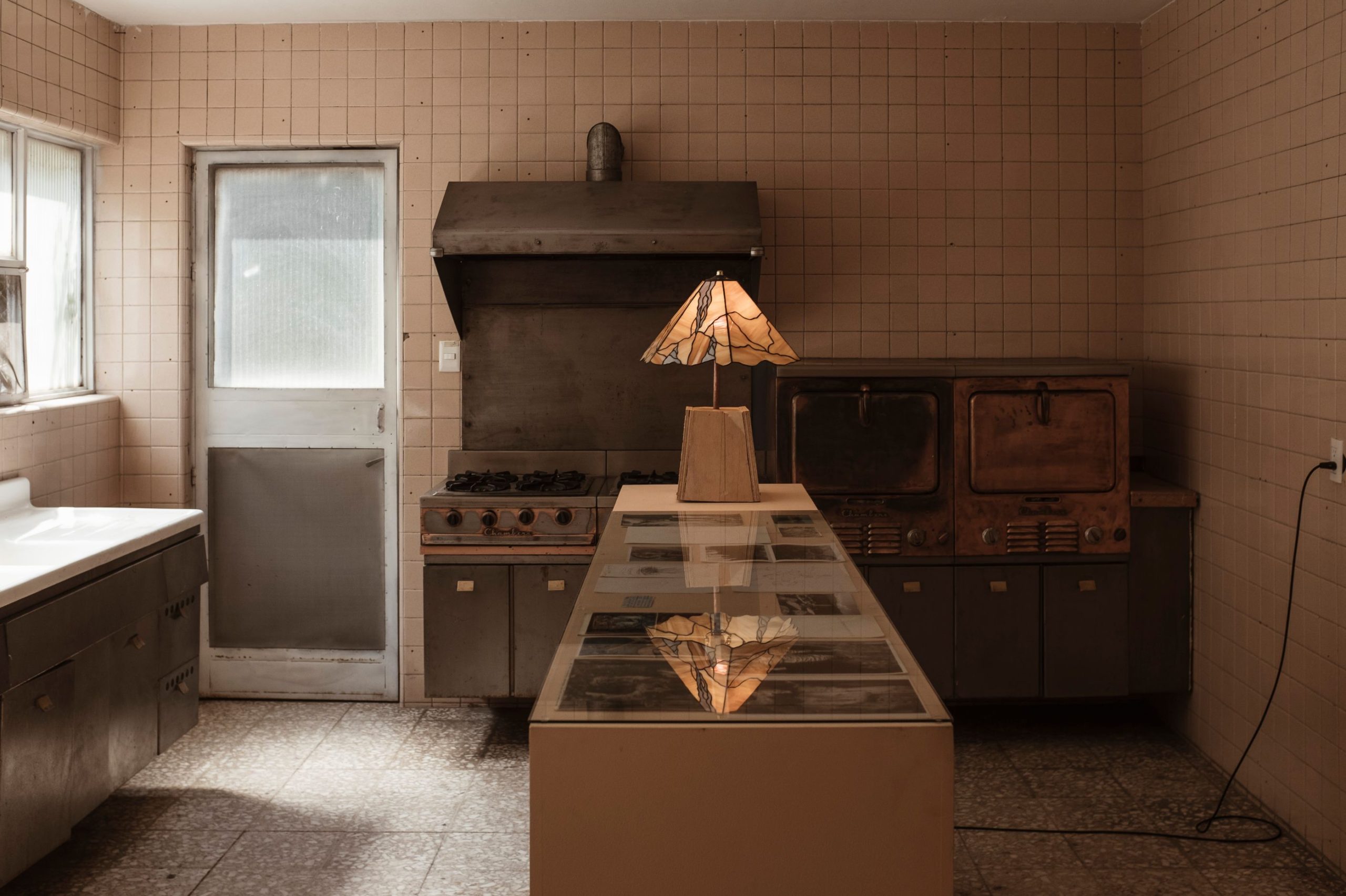
As she moves through the house, the stories unfold with an ease that makes it difficult to separate her from the place itself. A lamp recalls Isamu Noguchi. A bowl becomes a story about Japan. Looking across the valley leads to memories of her father, then to reflections on raising her own son here today. Nothing feels presented or rehearsed. She isn’t giving a tour so much as sharing the place that shaped her.
Growing up, she never thought of it as extraordinary.
“I don’t remember it as quiet or pristine,” she tells me. “I remember it as full of life.”
Friends, artists, neighbors, and family passed through constantly. Things were built slowly, added over time, and shaped by the needs of a growing family, the limits of what could be made by hand, and an instinct to trust the process rather than a plan.. Only after years living in Japan and London did she begin to understand what her childhood had given her, not simply an appreciation for art or craftsmanship, but a deep trust in following her own instincts.
In many ways, those same instincts now guide her own work. Through Blunk Space, exhibitions, residencies, and the life that continues inside the house itself, Nielson has chosen not to preserve her father’s legacy, but to extend the conditions that made it possible.
In this conversation, she reflects on growing up with JB Blunk, the unexpected encounters that shaped his life, the years she spent finding her own path, and what it means to carry forward a creative life without holding it still.
Sarah Len: When you close your eyes and think about the Blunk House, what comes back first? The light, the smells, the sounds, the feeling of everyday life.
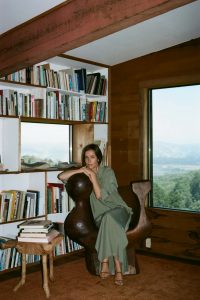
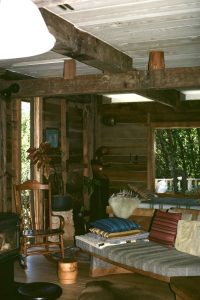
Mariah Nielson: When I think about the house, I don’t remember it as quiet or pristine. I remember it as full of life. I see art everywhere: textiles on the walls and furniture, ceramics on the table, paintings, weavings, postcards, handwritten notes, and books. There was always something being made, repaired, or rearranged. I remember the light changing throughout the day, the smell of wood, cooking, and friends and family coming and going.
SL: Your father built the Blunk House over decades, creating a home, a studio, and a way of living that continues to inspire artists today. Beyond his work, how would you describe him as a person?
MN: He was curious, open, playful, obsessed, and determined. He appreciated the element of surprise in both life and art. He was a man of few words when it came to his artwork but wouldn’t stop talking if you ran into him at the post office.
He always told me, “You never know where a conversation will lead or who might be standing next to you.”
I’ve found that to be true. I’ve always loved traveling, being out of my element, and meeting new people. Learning about other cultures and hearing about people’s experiences is both inspiring and humbling. The conversations I’ve had along the way have led to lasting friendships, unexpected collaborations, and opportunities I never could have planned. They’ve shaped both my personal life and my work, reinforcing the value of staying curious and open to wherever an encounter might lead.
“I needed to leave home and my family in order to appreciate where I came from. Growing up in such a unique and unconventional environment was something I took for granted and, as a teenager, was also embarrassed by.
Distancing myself from what was most familiar allowed me to appreciate who my parents were and what they had created.“
– Mariah Nielson
SL: One of the stories that stayed with me was your father’s journey to Japan. While stationed there during the Korean War, a chance encounter led him to Isamu Noguchi, who introduced him to Shoji Hamada and eventually ceramic artist Toyo Kaneshige, with whom he apprenticed. It feels like so much of his life unfolded through openness, curiosity, and following unexpected paths.
You eventually left Point Reyes yourself, spending years in Japan and London. What did leaving home allow you to understand that you couldn’t have learned by staying?
MN: I was finding myself, and I did. Being out of my element and having to rely on myself was empowering. My parents were passionate about what they were doing and I wanted to feel the same.
I needed to leave home and my family in order to appreciate where I came from. Growing up in such a unique and unconventional environment was something I took for granted and, as a teenager, was also embarrassed by. Distancing myself from what was most familiar allowed me to appreciate who my parents were and what they had created.
SL: After years living in Japan and London, you returned to Point Reyes just as a new generation was beginning to discover your father’s work through the publication of the JB Blunk monograph. At what point did you realize your role wasn’t simply to care for the house, but to help carry its spirit forward?
MN: Publishing the JB Blunk monograph in 2020 brought a lot of attention to my father’s work and to the house. At the time I was living in London, but I started traveling back to Inverness several times a year. I needed to become more involved with the archive, the house, and the growing interest in my father’s work.
By 2022, I had opened Blunk Space in Point Reyes Station. I’ve been trying to think of the transition less like moving back and more like stepping into the next chapter.
SL: During my visit, you described walking into the Kaneshige family home in Japan and feeling as though you had come home. What did that experience reveal to you about your father’s life and the house he built here?
MN: Visiting the Kaneshige home made me realize how profoundly my father had been shaped by his time living and working there. When he eventually had the chance to build his own home and studio, he created his own interpretation, architecturally and philosophically, of the place that had inspired him.
SL: Walking through the house, I was struck by how naturally old and new coexist. Your father’s work sits beside objects made by visiting artists. Signs of daily life are everywhere. Nothing feels frozen in time.
Many historic homes eventually become museums. Yet this house still feels deeply alive. Why was it important to you that it remain a living place rather than simply a preserved one?
MN: A hand-built house in the woods needs people. Otherwise nature takes over.
More importantly, the house is my father’s masterpiece, a living sculpture that he shaped over the course of his life. Preserving it isn’t just about maintaining the structure. It’s about preserving the spirit of the place.
Inviting artists to live and work here keeps the house active and evolving, continuing the rhythms of daily life and creative inquiry that defined it from the beginning.
To me, stewardship means actively caring for and guiding the future of the Blunk House, rather than simply protecting it from change. Preservation can sometimes imply maintaining a place exactly as it is, with limited access or interaction. Stewardship, by contrast, recognizes that the house is a living legacy.
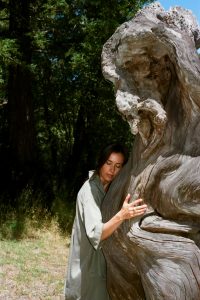
“Ideally, stewardship is a choice, not an obligation… The most important thing he left behind was the reminder that art and life don’t have to be separate.
You can shape your surroundings, your relationships, your home, and your daily routines with the same care and creativity that you bring to making art.“
– Mariah Nielson
SL: Artists continue to stay here, work in the studio, and leave traces of themselves behind. Has seeing new generations of artists live and work there changed the way you understand what your father created?
MN: It hasn’t necessarily changed the way I understand my father or his work, but it’s helped me appreciate the significance of his vision. Seeing artists and designers live and work in the house reinforces that what he created extends beyond the objects themselves. It’s a way of living and creating that continues to inspire.
My friend, photographer Leslie Williamson, who has spent years documenting the homes of artists and designers, and I often talk about how you can feel the spirit of a place that has been shaped slowly over time with care and intention. We’ve also seen how easily that spirit can disappear. So many extraordinary homes, once filled with creative energy and daily activity, become still and feel somehow emptied of the life that made them so special.
To me, the most meaningful way to preserve this house is not to freeze it in time but to keep it in use. By welcoming artists to live and work here, the house continues to fulfill its original purpose. Their presence, their work, and the rhythms of everyday life sustain my father’s legacy in the most immediate and authentic way.
SL: You once described learning about your father through the chapter after he died. What has surprised you most in that process of getting to know him differently?
MN: His extraordinary productivity. In an interview from the 1970s, my father recalled someone asking Picasso, “How do you possibly have time to do all the works that you have accomplished?” Picasso replied, “It’s very simple. I just don’t do the things that other people do.”
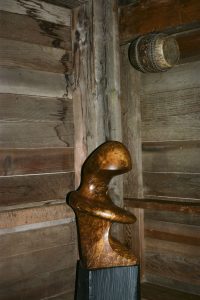
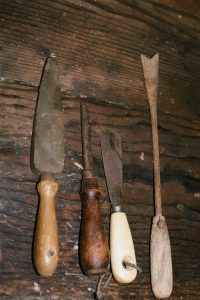
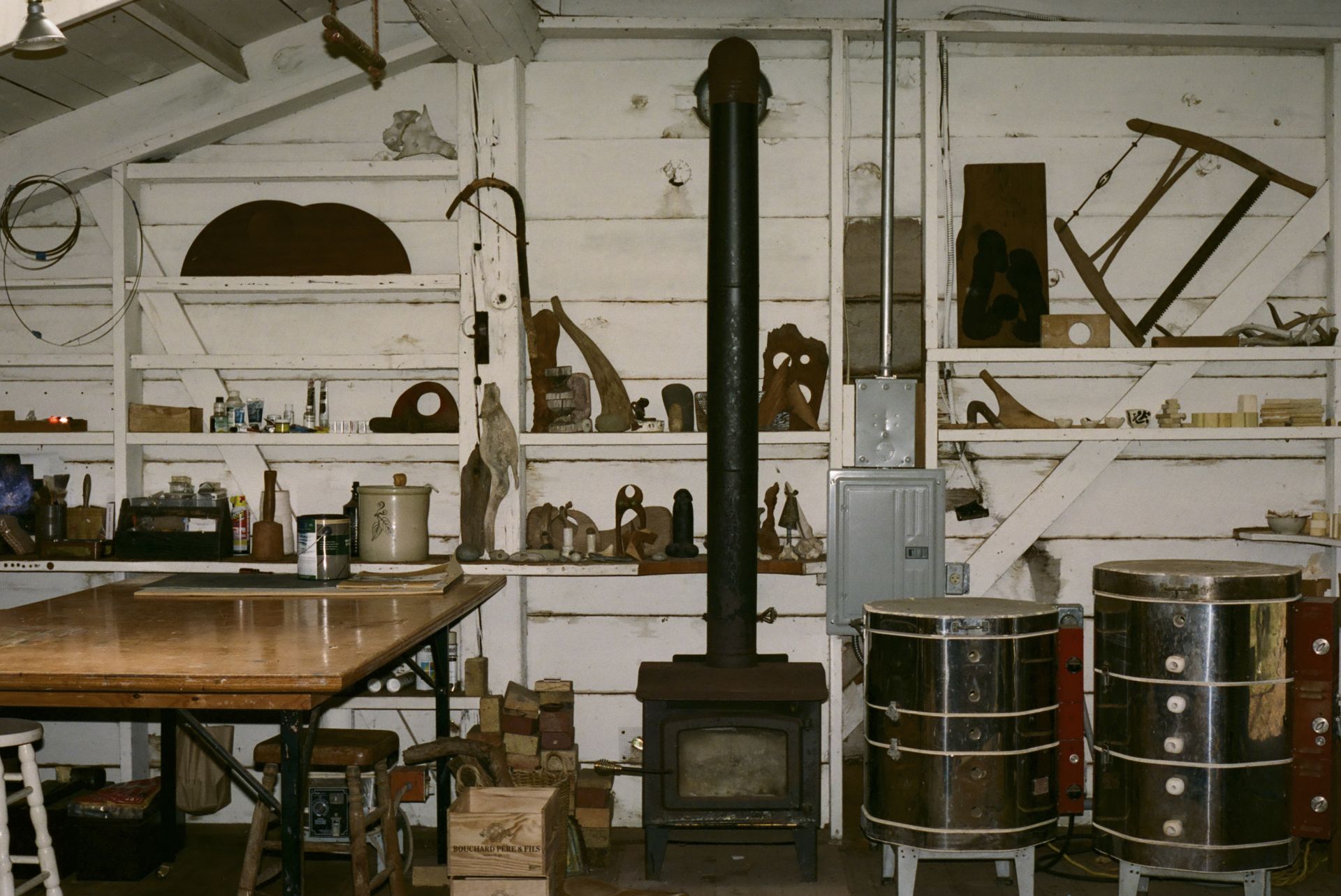
SL: Today you find yourself caring not only for the house and land, but also for a creative lineage. How do you think about that responsibility?
MN: It’s an honor, but I’ve also realized that I need to enjoy this work and make sure it doesn’t feel like a burden. I never want to resent my father’s legacy. I want to approach it with the same curiosity, creativity, and sense of possibility that’s sparked everything good in my life.
SL: You’re now raising your own son here. Has becoming a parent changed the way you think about inheritance, continuity, and what gets passed from one generation to the next?
MN: I don’t expect my son to care about the Blunk House the way I do. He never met my father and might not have any interest in art. My responsibility is to care for the house and share it with artists during my lifetime. What happens after that will depend on whether someone else feels the same connection and sense of purpose that I do.
Ideally, stewardship is a choice, not an obligation.
SL: Looking back, what do you feel is the most important thing your father left behind, not as an artist, but as a human being?
MN: I don’t think there was a separation between my father and his art. The way he lived and the way he created were one and the same. His work wasn’t something he did. It was an expression of how he moved through the world.
The most important thing he left behind was the reminder that art and life don’t have to be separate. You can shape your surroundings, your relationships, your home, and your daily routines with the same care and creativity that you bring to making art.