WHERE THINGS COME FROM: EARTH TO PEOPLE ON CRAFT, LAND, AND TIME
Photography by James Han
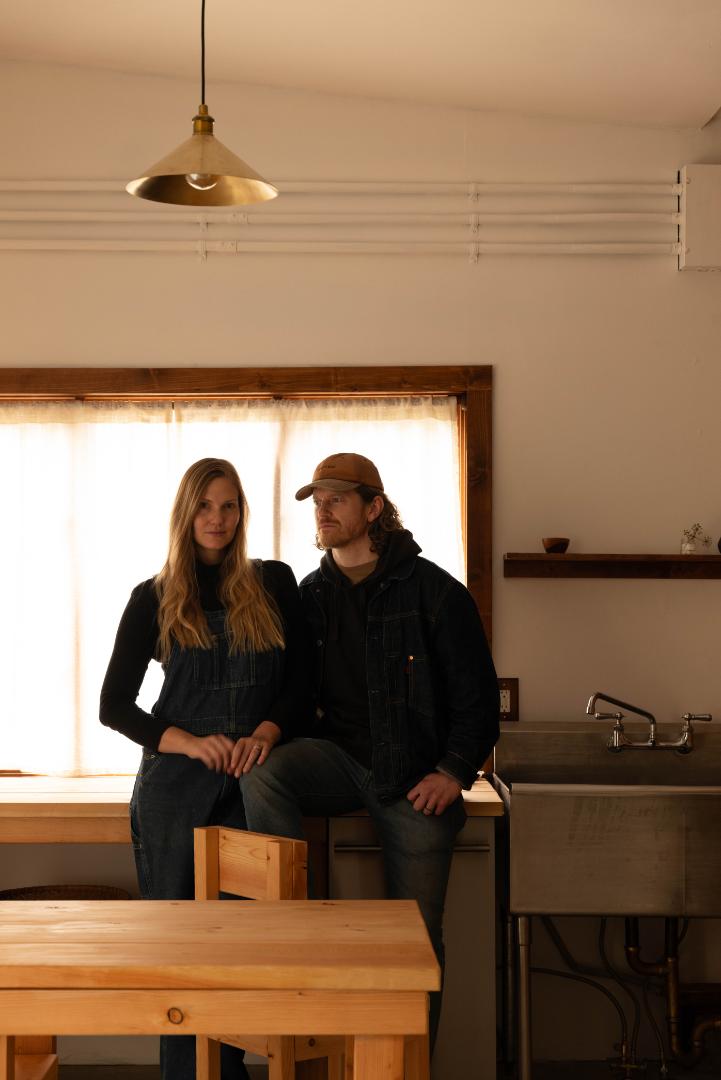
There is a kind of making that begins before the studio. It begins in a forest after a storm, or along a coastline where cedar has fallen and salt has worked its way into the grain. Earth To People, founded by Jordan and Brittany Weller, works from that starting point, not as a concept, but as a practice.
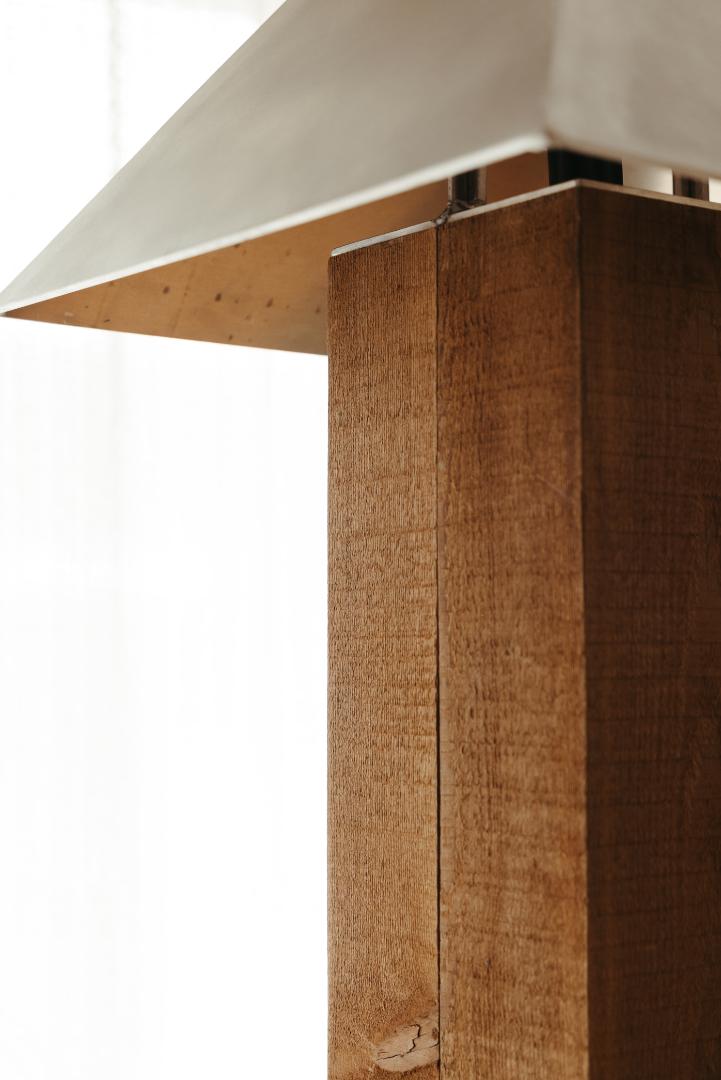
Based on Canada’s west coast, the studio draws its materials from the landscapes immediately around it: wind-fallen cedar, reclaimed aluminum, pine sap harvested from living trees. These are not substitutions for conventional materials. They are the point. Each carries provenance, age, and the visible record of its own history, and that record becomes part of every piece.
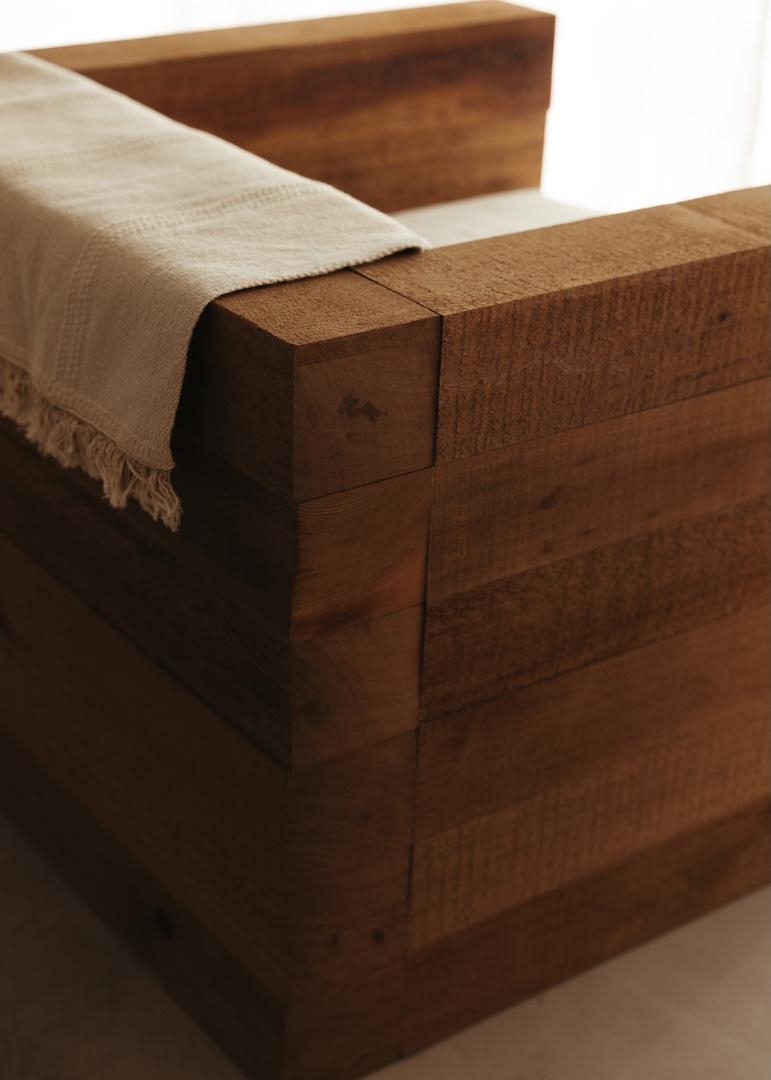
The work spans furniture, sculpture, and architectural space, but the underlying concern is consistent: how to make things that hold time rather than resist it. Their 4×4 Series extends this through a collection of sculptural pieces shaped by restraint and material attention. A recent project, the transformation of a 1920s carriage house on the BC coast, brought the same sensibility into the scale of a building, where salvaged fir, tongue-and-groove cedar, and custom furniture were woven into a space designed to engage every sense.
Earth To People speaks to Materia about provenance, slowness, and what it means to design in closer relationship with land.
SL: Your work begins with a clear ethos of stewardship, looking to the past as a way forward. How does that philosophy shape the act of making?
ETP: Much of our world today is oriented around speed, technology, and constant innovation. We’re interested in returning to older principles of craft and material stewardship, looking toward practices that have endured across generations.
That led us to the history of tree sap being used as a natural binding agent for thousands of years, and to the tradition of harvesting wind-fallen trees after storms rather than relying solely on industrial extraction methods. We’re also inspired by early practices of salvaging and repurposing metal, where materials carried value not only because of labor, but because of permanence.
Our use of reclaimed aluminum and natural materials is ultimately rooted in that way of thinking.
SL: Many of your pieces seem to emerge from the material itself rather than being imposed upon it. What draws you to a material, and how does it begin to suggest form?
ETP: Growing up on Canada’s west coast, surrounded by cedar and fir forests, those materials naturally became foundational to our work. I was always drawn to their tones, textures, and even scent.
Our pieces tend to emerge as reflections of the landscapes they come from. The forms often mirror what surrounds us: waterfalls, jagged rock faces, dense forests, driftwood, and glacial terrain.
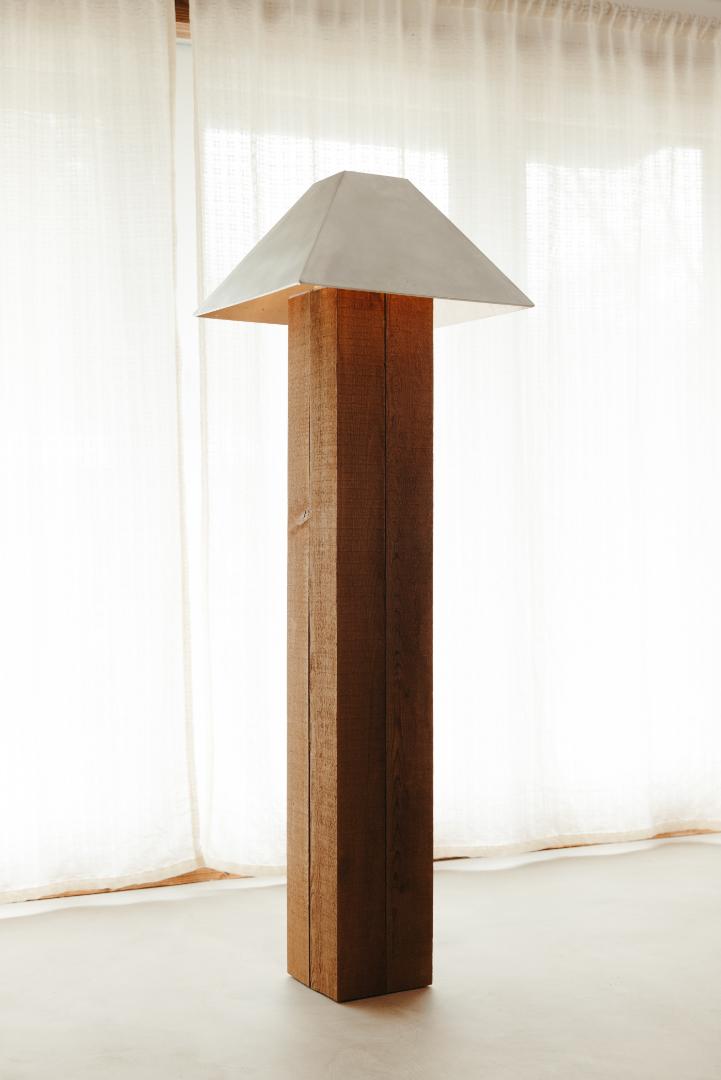
“A fallen cedar tree may have existed for hundreds of years before becoming part of a piece. Its age, scars, and exposure to weather all become part of the work itself.”
— Earth to People
SL: The use of pine sap as a binding agent replaces something synthetic with something elemental. What does it mean for you to work with materials that carry both history and life?
ETP: Pine sap is believed to be one of the earliest adhesives used by humans, and working with it creates a direct connection to older ways of making. For us, that relationship to time is important.
We often think about how much history is embedded within a material. A fallen cedar tree may have existed for hundreds of years before becoming part of a piece. Its age, scars, and exposure to weather all become part of the work itself.
We believe the strongest designs rarely emerge from speed. They take shape through slowness, observation, and care.
SL: You often work with what already exists: wind-fallen cedar, reclaimed aluminum, and offcuts from dimensional lumber. How does working within those constraints shape the design process?
ETP: We don’t necessarily see them as limitations. They act more as guides.
We’ve always been drawn to work that distills complexity into something quieter and more resolved. Designers and artists like JB Blunk and Donald Judd approached materials with a certain clarity and restraint that continues to resonate with us.
Working with salvaged or existing materials naturally narrows the path and requires a deeper level of attention.
SL: There’s a consistent thread in your work around origin — not just where materials come from, but what they still communicate about that origin. What does it mean to work with materials that remain close to their natural state?
ETP: It’s ultimately about remaining connected to material origin. While all materials come from the earth in some form, we’re drawn to those that remain closer to their natural state and still clearly communicate where they came from.
We’re interested in materials that age, patina, and carry traces of time.
SL: The BC cabin extends your practice into architecture and space. How did designing and restoring it deepen your understanding of material and place?
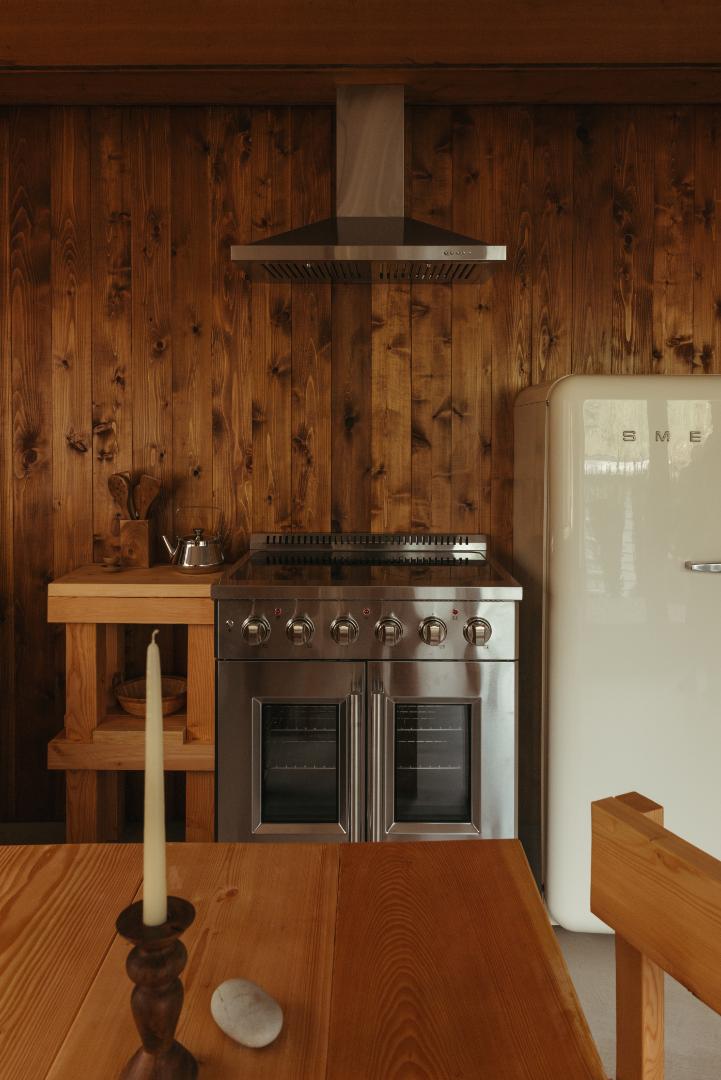
ETP: The cabin was originally part of a lumberjack’s property from the 1920s and later served as our Canadian workshop. Rather than redesigning it entirely, we approached it through preservation, trying to maintain its relationship to the surrounding seaside village and the history of west coast cabins more broadly.
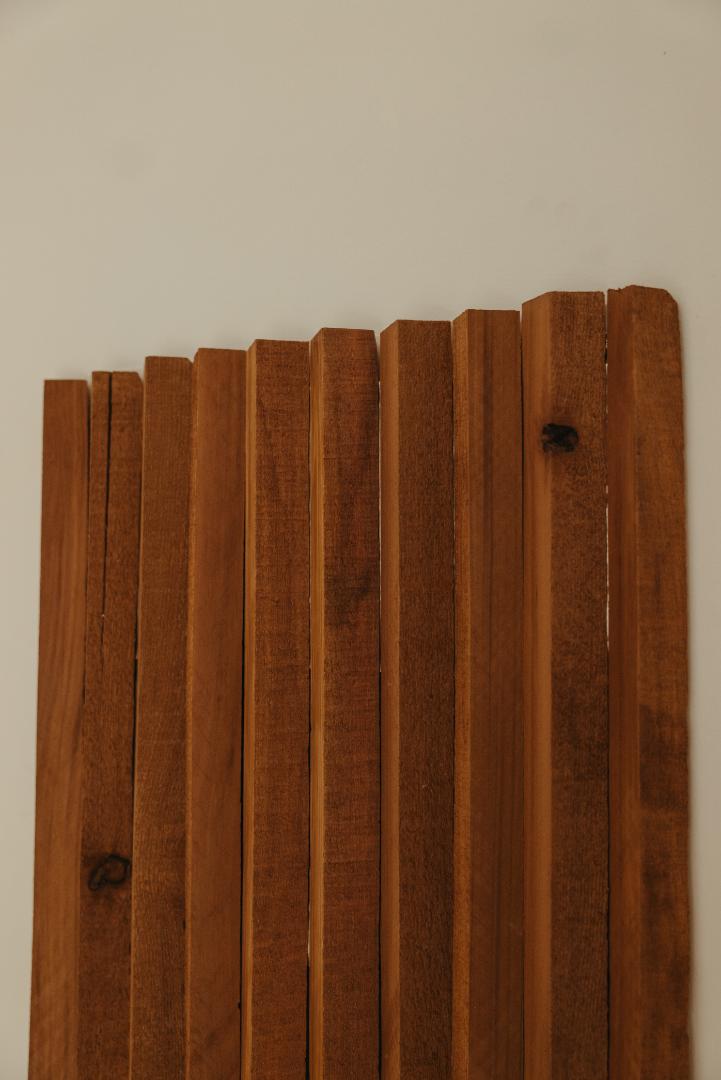
We focused on maximizing space through detail and materiality rather than scale. Salvaged fir from a former elementary school was reworked throughout the interior alongside tongue-and-groove cedar, coffee-stained rough-cut wood, and custom furniture pieces designed specifically for the space.
The project became an extension of our practice, allowing architecture, furniture, and sculpture to exist together within a single environment. We were especially interested in creating a space that engaged multiple senses through texture, scent, light, and atmosphere.
SL: You designed and built the cabin as a space for others to inhabit. How has seeing people experience it shaped your understanding of the work?
ETP: Although we don’t live in the cabin ourselves, we’ve opened it to guests from around the world. One of the recurring things people mention is the scent of the wood throughout the space, which was very intentional.
We’ve always been interested in creating environments that engage more than just the visual. Texture, scent, light, and atmosphere all contribute to how a space is experienced and remembered.
SL: Across your work there is a strong closeness to origin — to where materials come from and how they are gathered. How important is direct engagement with the land in shaping your practice?
ETP: Very important. We work closely with arborists who source salvaged cedar and fir from the forest floor after storms, and we ensure the pine sap we use is harvested responsibly.
We believe material provenance matters. It’s important for us to understand where something came from, how it was gathered, and what relationship it holds to the landscape around it.
That awareness shapes every stage of the process.
SL: Your work feels grounded in a slower rhythm — one of care, attention, and continuity. In a culture driven by speed and production, what does it mean to commit to that pace?
ETP: For us, it means remaining intentional and connected to our surroundings.
Making becomes a way to slow down and pay attention, both to materials and to the environments we move through. In many ways, the work is about resisting a culture of constant acceleration and reconnecting with something more grounded and enduring.
SL: Your work is already in conversation with the past — through salvage, through ancient techniques, through materials that carry decades of exposure. What do you hope a piece made today carries forward?
ETP: We’ve been moving further into sculpture and are currently developing a series of larger-scale furniture pieces, including a couch, while continuing to explore textures and textiles that complement our existing collections.
As with everything, it’s one day at a time.