TALLER BATÁN AND THE LANGUAGE OF WOOD
Photography by Denisse Hurrle Puga
For Taller Batán, the process begins much earlier.
Founded by Sebastián Cappiello, Marco Cordero, and Emilio Torres, the studio emerged from a forest restoration project in Donato Guerra, Mexico, where the removal of invasive species revealed an opportunity to rethink the relationship between ecology, material, and design. Working directly with fallen and non-commercial trees, Batán developed a practice rooted not in industrial production, but in observation, stewardship, and a deep familiarity with the forest itself.
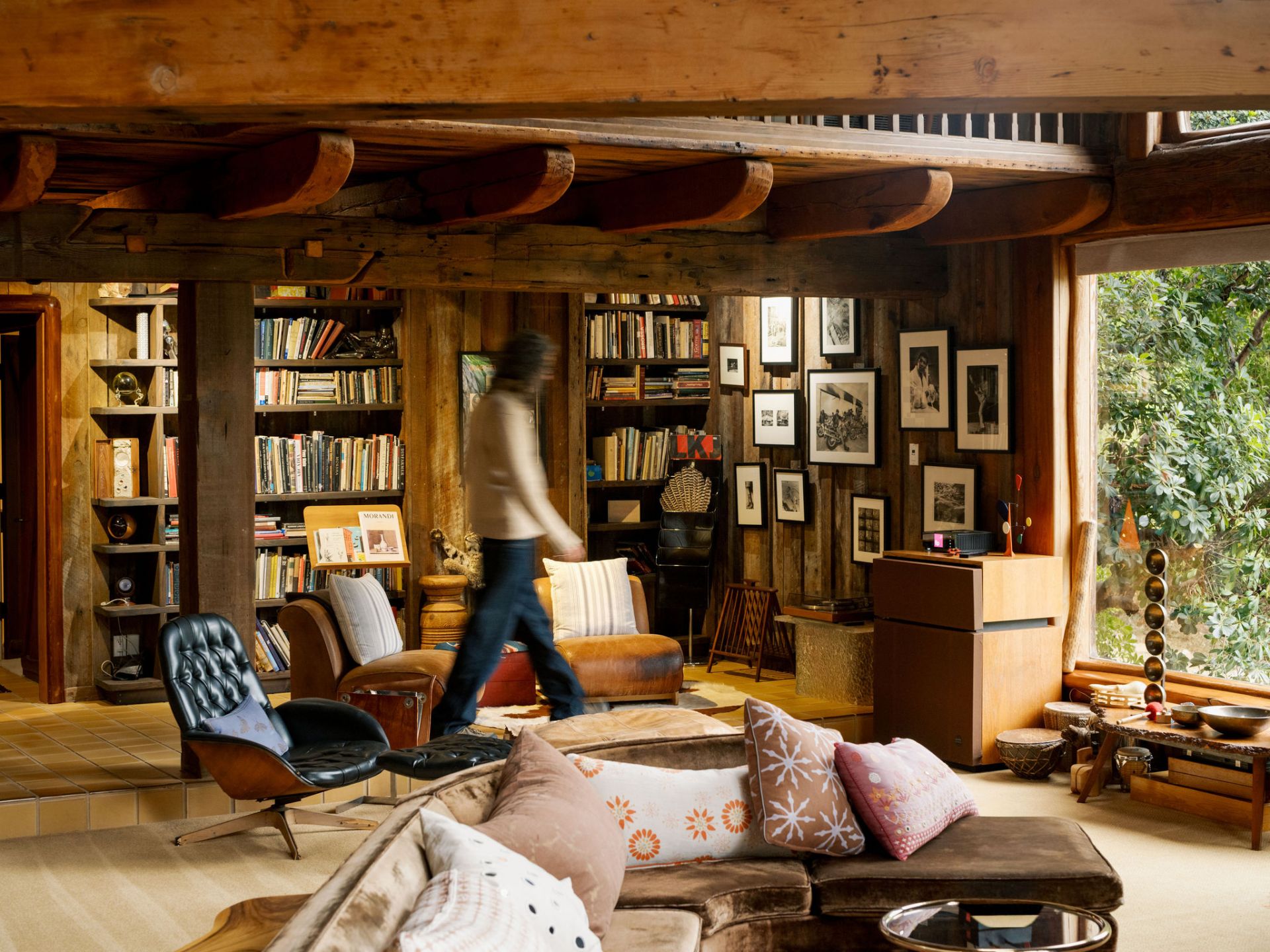
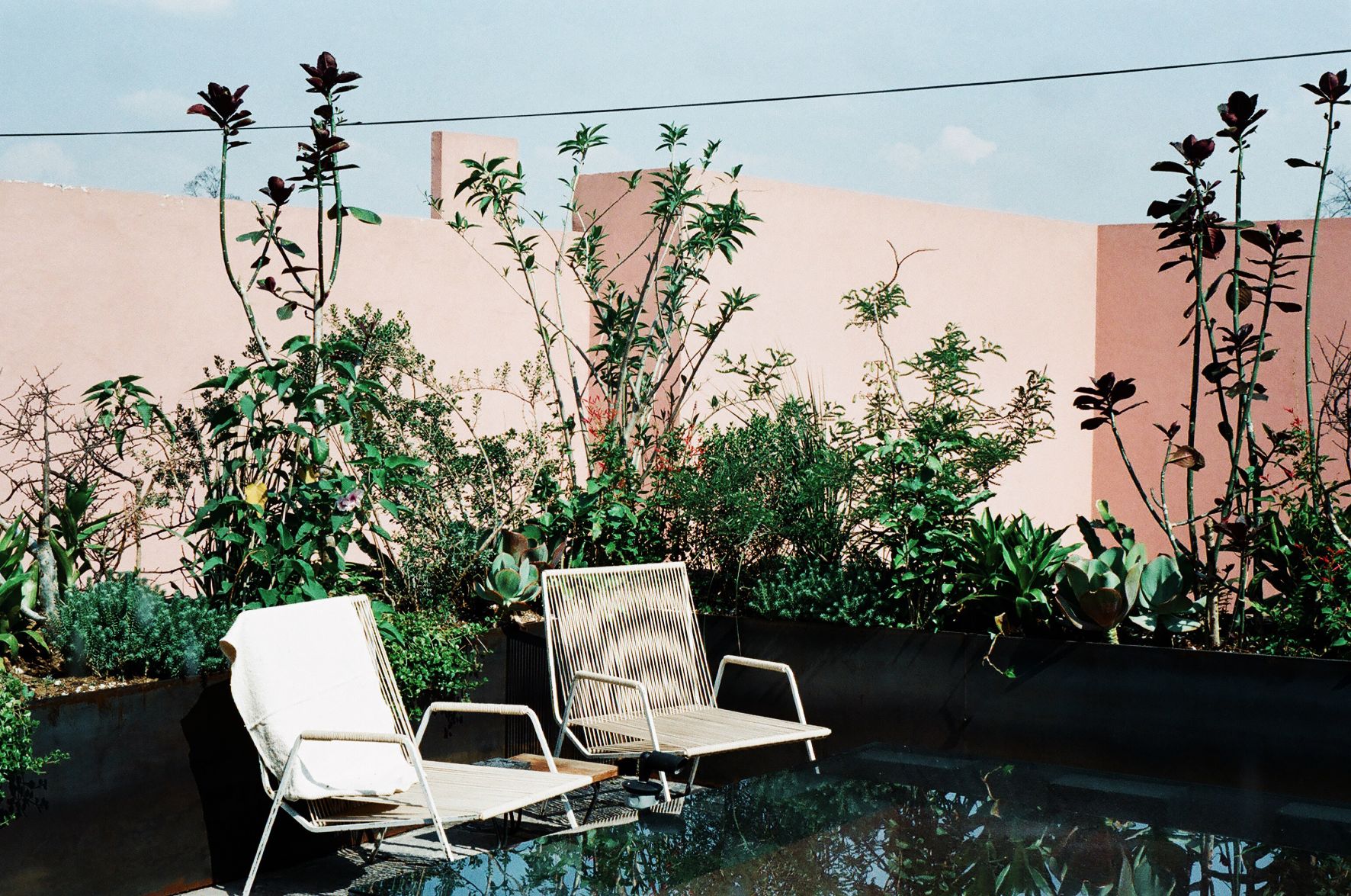
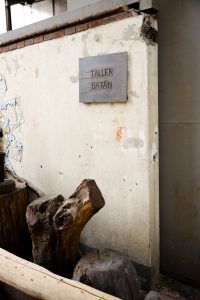
Today, that relationship extends from the pine-oak forests of Estado de México to the studio’s workshop and showroom in Roma Sur, Mexico City, where monumental tables, seating, and sculptural objects bring the presence of the forest into an urban context. The contrast feels essential to the practice, connecting the pace of the city with the slower rhythms of the landscapes from which the material originates.
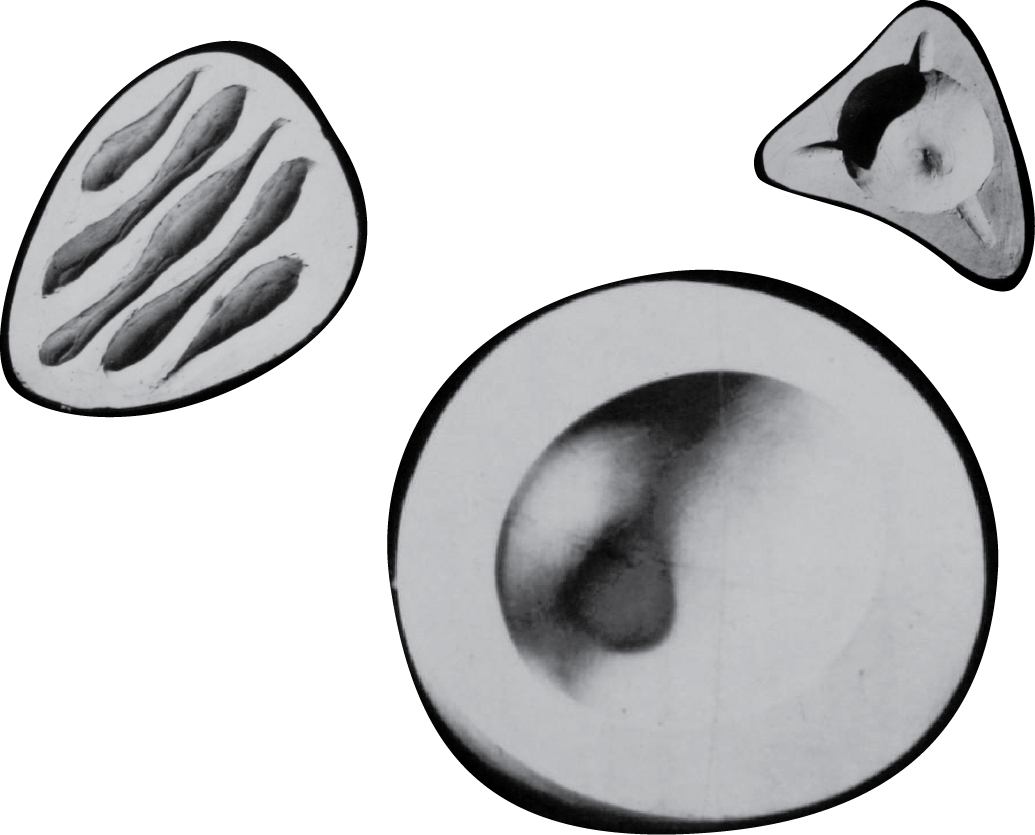
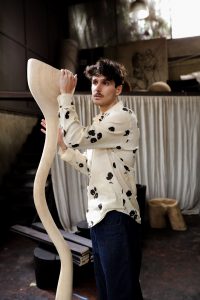
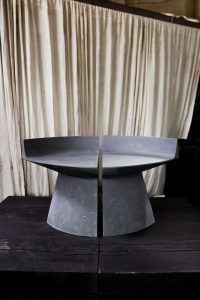
The resulting furniture occupies a space between object and sculpture. Monolithic forms carved from solid timber retain the texture, irregularity, and character of the trees from which they came, creating work that feels as much discovered as designed.
In conversation with Materia, Sebastián reflects on learning from the forest, the responsibility of material sourcing, and why the future of design may depend on reconnecting creative practice with the ecosystems that sustain it.
Sarah Len: You founded Taller Batán at a remarkably young age. What first drew you to wood as a material, and when did you realize it could become a life’s work?
Sebastián Cappiello: We were pretty young, 22 when we founded the studio. My partner Marco had been working with his family on a forest restoration project focused on removing invasive species, primarily white cedar. Being close friends from school, he invited me to make something with the wood.
At the beginning, it was simply two friends experimenting with a material, with no clear objective beyond curiosity. I quickly fell in love with wood and, fortunately, the project gained momentum. People in the design world began to appreciate what we were doing, which was humbling considering we had no formal training in either design or forestry.
The decision to continue was easy. I loved the work, and it had a positive impact, however small, on both the ecosystem and the community we were working with.
SL: Your practice begins not in the workshop, but in the forest. How has working directly with fallen and non-commercial trees shaped the way you think about design?
SC: That relationship defines everything we do.
When we first began researching wood and furniture making, I realized that transforming a fallen tree into quality timber was a long, expensive, and highly technical process. Drying a two-inch plank, for example, can take more than two years without an industrial kiln.
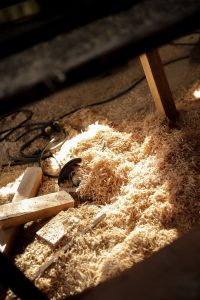
So we moved in the opposite direction. We didn’t have the time, money, or expertise to pursue traditional fine carpentry, so we worked with what we had: large, non-commercial species shaped with chainsaws and hand tools.
To this day, I think that’s what distinguishes us, not only the material itself, but the way we approach it.
“The texture of the wood, its color, and the visible growth rings are irresistible. Wood can be incredibly sensual, and I think our work reflects that.”
— Sebastián Cappiello
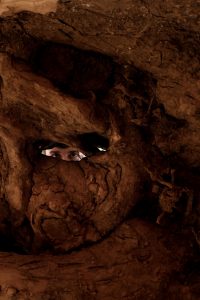
SL: You often speak about guiding a material from tree to final form. How does being involved in the entire lifecycle of the wood change your understanding of it?
SC: Being involved with the material before its transformation completely changes my appreciation of it.
Learning how a tree grows, how a forest functions, and how those ecosystems interact is something I can’t be thankful enough for. As a designer, I think observation is one of the most important skills we can develop.
What I see in the forest defines everything our pieces reflect in the end.
SL: Many of your pieces feel almost geological—monolithic forms carved rather than assembled. At what point does furniture become sculpture?
SC: I love that description. It’s better than the way I usually explain it myself.
When I describe our work as sculptural, I mean it in two ways. First, the process. Traditional carpentry is often about assembling components into a whole. We do the opposite. We begin with a solid block and remove material, which is inherently sculptural.
Second, while our pieces are functional, I believe they communicate something beyond utility. There’s a certain primitiveness to them, but also a modernist sensibility. The texture of the wood, its color, and the visible growth rings are irresistible. Wood can be incredibly sensual, and I think our work reflects that.
SL: Zanine Caldas once spoke about bringing the forest indoors. Your work often evokes that same sensibility. How do you think about the relationship between nature and domestic space?
SC: Zanine was a huge influence on me. He once said, “Let’s bring the forest indoors,” and I completely agree.
Our work isn’t really meant to live outside. The texture, smell, and presence of wood belong in domestic space. We are surrounded by artificial materials and objects. The experience of touching real wood, smelling it, and living alongside it affects you in a way very few materials can. It has a calming effect that is difficult to describe.
SL: Taller Batán emerged from a forest restoration project in Donato Guerra. In what ways can design participate in ecological stewardship rather than simply material extraction?
SC: The restoration project actually predates Taller Batán and is the reason it exists. My partner Marco began working on the project in Donato Guerra nearly ten years ago, managing more than 400 hectares of pine-oak forest. Today, Taller Batán not only utilizes some of the material that comes from that work, but also supports the project financially and helps bring visibility to it.
That’s one of the reasons I care so much about engaging with the material before the design process begins. It’s something I think more designers should pay attention to.
Philosophically, I’m skeptical of the separation of labor. I understand it’s foundational to the way our systems operate, but I don’t think it’s serving us particularly well. Everyone, including designers, has an opportunity to make a difference.
What we do is still relatively small in scale, but we’re growing. Our hope is to support more forests across Mexico and continue communicating this side of our work more openly, encouraging others to think seriously about where their materials come from.
SL: If more designers worked directly with forests and ecosystems, how might that change the culture of furniture production?
SC: I think design would be better for it.
There’s so much to learn from nature, and creativity changes when you’re emotionally connected to a material and involved with it firsthand.
In Mexico, more than half of the wood used by the architecture and design industries comes from illegal sources. That alone should make this conversation urgent. Designers have a real opportunity to push for change simply by asking where their materials come from.
SL: Mexico has a rich tradition of woodworking. Where do you feel connected to that lineage, and where does your work depart from it?
SC: I’m actually researching this subject formally at the moment. There are traditions I find fascinating, from the lacquerware of Olinalá to Mudéjar carpentry, vernacular timber structures, and tejamanil roof shingles.
That said, I don’t feel as connected to those traditions as I would like. Our relationship with wood began in the forest, chainsaw in hand. We learned how to remove a diseased branch or fell a tree before we ever knew how to assemble a table.
We’re probably more skilled at cutting and sculpting trees directly than working with processed timber in the traditional sense, and I think our entire approach grows from that experience.
The connection I do feel is perhaps an unexpected one: Mexican workers in the U.S. construction industry. The community where we work has a high rate of migration, and many people return with incredible woodworking and building knowledge.
When we built a traditional sauna near our workshop, we used balloon framing with help from members of our team who had learned the technique while working in the United States. I would love to see more wood used in Mexican architecture, and I think there is a real opportunity to learn from those traditions while developing something uniquely our own.

SL: Your work sits at the intersection of restoration, design, and material culture. How would you like to see the relationship between forests, materials, and design evolve in the coming decades?
SC: There are encouraging examples around the world, particularly in Northern Europe, Western Europe, and Japan. It’s no coincidence that many of those places have strong woodworking traditions.
I believe forests need active stewardship. The idea of simply leaving them untouched is romantic, but not always practical. Under current conditions, many forests function best with thoughtful human involvement.
To do that well, we need more research, more study, and more people genuinely interested in understanding these ecosystems before intervening in them.
SL: As the studio grows, what is currently capturing your attention?
SC: I’m still completely in love with wood, but I’m increasingly curious about other materials. Stone feels like a natural direction to explore, especially given its history in Mexico, and it’s something we’re actively developing.
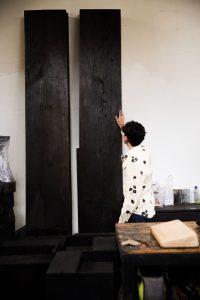
At the same time, I’m interested in moving beyond some of the materials we are known for. Much of our work uses white cedar finished with yakisugi. I still love the blackened surfaces, but I’m also interested in showcasing more of the non-commercial species found in our forests.
Mexico has more oak species than any other country in the world, and many of them grow where we work. The possibilities feel endless.
I can see the studio incorporating new materials over time, but wood will always remain at its center. The goal is simply to continue pushing it further, exploring larger scales, new techniques, and species that remain largely unknown.